


In today’s volatile energy market, oil and gas companies are under immense pressure. From tightening environmental regulations to fluctuating global demand and unpredictable supply chains, efficiency is no longer optional—it’s existential. At the heart of this shift lies a quiet revolution: smart tank monitoring.
Table of Contents
More than a technical upgrade, tank monitoring is emerging as a strategic differentiator for oil and gas giants. It is transforming tanks from static assets into intelligent nodes of an integrated energy infrastructure.
From Static Storage to Dynamic Intelligence
Traditionally, oil and fuel tanks have been viewed as passive containers—store and hold until the next shipment. But smart tank monitoring systems are reimagining them as active data sources.
Equipped with ultrasonic, radar, and IoT-enabled sensors, tanks now continuously report not just levels, but also:
- Fluid density and quality changes
- Environmental conditions (e.g., humidity, pressure)
- Maintenance prediction based on usage patterns
This depth of insight allows oil majors to make real-time operational decisions, such as redirecting fuel shipments, detecting quality degradation before it impacts output, and prioritizing maintenance based on actual wear—not arbitrary schedules.
Why Industry Giants Can’t Afford to Ignore Tank Monitoring
The oil and gas sector operates on razor-thin margins, complex logistics, and intense scrutiny. Giants like Shell, BP, and Chevron are no longer just investing in tech for optimization—they’re doing it for survival.
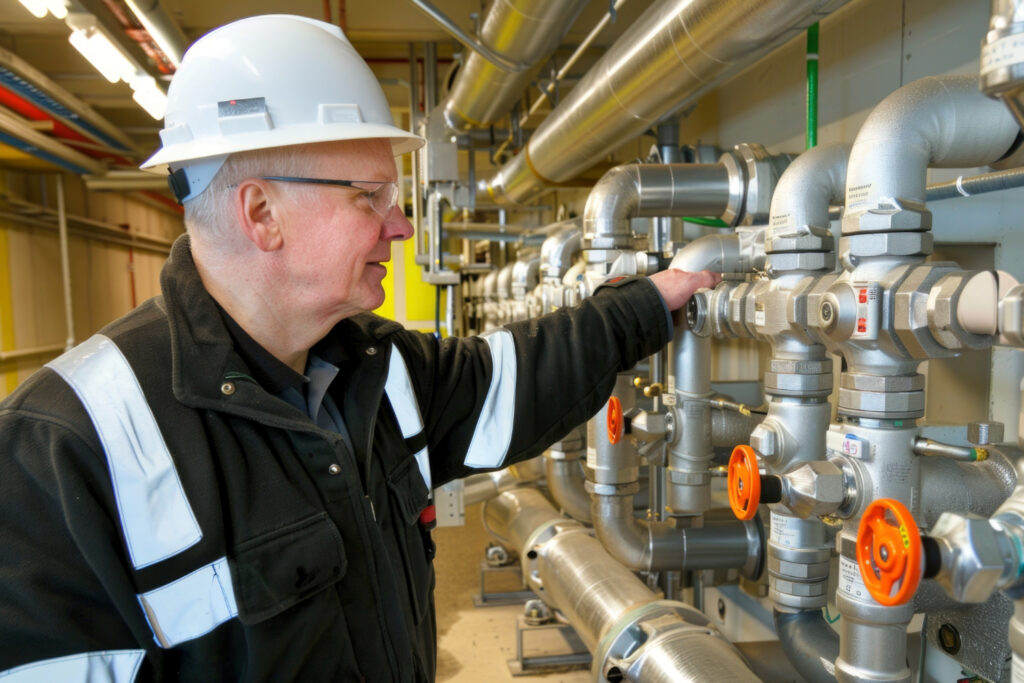
Here’s how smart tank monitoring is giving them the edge:
1. Global Operations, Unified Visibility
Global energy players oversee thousands of tanks across continents. Manually tracking these assets is not only inefficient but also introduces unacceptable delays and errors.
Smart corporate tank monitor systems provide a single source of truth. Whether it’s a refinery in Texas or a terminal in Singapore, decision-makers can view tank status across regions in real time—on a single dashboard. This transforms localized actions into globally aligned strategies.
2. Precision Forecasting for Volatile Demand
With consumption spikes driven by unpredictable geopolitical events or weather conditions, demand forecasting is becoming increasingly complex. Tank monitoring systems integrate with AI models to provide demand forecasts based on consumption, regional patterns, and seasonal shifts.
For instance, if diesel usage spikes in a hurricane-prone region, tank monitoring services alert suppliers early, triggering proactive delivery. This real-time coordination ensures fuel security where it’s needed most.
3. Early Warning, Zero Downtime
Downtime in oil logistics is catastrophic. A refinery waiting on delayed feedstock or a disrupted pipeline can cost millions per day.
Smart oil tank monitoring enables predictive alerts, such as:
- Imminent overfill or underfill
- Moisture intrusion that could affect fuel quality
- Unusual temperature spikes that hint at internal issues
These aren’t just alarms—they’re early interventions that prevent shutdowns before they happen.
4. Environmental and Regulatory Safeguards
With increasing regulatory scrutiny on emissions and spill management, compliance is now tech-driven. Smart sensors document tank data continuously, creating a digital logbook that automates:
- Compliance reporting
- Emissions tracking
- Leak detection
- Fuel purity certification
Tank monitoring companies are no longer vendors—they’re risk mitigators.

Disruption in the Supplier Space
It’s not just the oil majors that benefit. Midstream distributors and fuel suppliers are using tank monitoring to build new service models.
Take, for example, a bulk fuel distributor that no longer waits for clients to call for refills. Instead, using real-time tank data from clients’ storage units, they initiate automatic deliveries just before thresholds are reached. This vendor-managed inventory model increases customer loyalty and reduces operational friction.
Emerging Trends in Tank Monitoring
What’s next in this space? As the oil and gas industry embraces Industry 4.0, tank monitoring is evolving from a siloed operational tool into a critical node of enterprise-wide intelligence. Leaders are increasingly focused on the convergence of tank data with broader business systems to unlock new efficiencies and strategic insights.
Here are some of the most transformative trends reshaping the future of tank monitoring:
Blockchain for Tamper-Proof Audit Trails
Blockchain technology is being explored to create immutable records of tank data and fuel transactions. This ensures transparency, trust, and regulatory compliance—especially for cross-border fuel movements and high-value inventory. Blockchain’s decentralized nature also enhances cybersecurity, making sensitive operational data less vulnerable to breaches.
Digital Twins for Simulation and Scenario Testing
Digital twins—virtual replicas of physical assets—are now being integrated with tank monitoring systems. Companies can simulate tank behaviors, forecast inventory risks, test maintenance strategies, and model supply disruptions without touching real-world assets. This enhances decision-making, planning accuracy, and disaster preparedness.

ESG Integration and Sustainability Metrics
With growing emphasis on Environmental, Social, and Governance (ESG) standards, tank monitoring is playing a vital role in measuring and managing sustainability performance. Real-time tank monitoring of emissions, overfills, and leaks enables companies to reduce their environmental impact while demonstrating compliance to stakeholders and regulators.
AI-Driven Predictive Analytics
Advanced monitoring systems are now pairing real-time data with artificial intelligence to identify subtle trends and predict failures before they occur. AI-driven insights help optimize maintenance cycles, reduce unplanned downtime, and improve asset lifespan—key goals for oil and gas companies aiming to do more with less.
Edge Computing for Faster Local Processing
Edge computing is enabling tanks in remote or high-latency areas to process data locally, without relying on cloud access. This is especially valuable for offshore rigs or desert installations, where immediate local alerts can prevent incidents long before data reaches a central server.
Integrated Supply Chain Automation
Tank data is increasingly being fed into automated fuel ordering, delivery scheduling, and logistics platforms. This means no more manual checks or reactive refueling—smart systems detect when levels fall and automatically trigger vendor actions, creating a seamless, demand-driven supply chain.
The goal is not just visibility, but decision intelligence—where every tank becomes an intelligent asset, actively contributing to operational performance, environmental stewardship, and business agility.
FAQs
How is tank monitoring different from traditional tank gauging?
Traditional gauging offers manual or analog readings. Tank monitoring uses smart sensors and cloud platforms to deliver live, continuous data for advanced decision-making. This not only improves accuracy but also enables remote management and instant alerts for anomalies.
Can tank monitoring reduce fuel theft or fraud?
Yes. Many systems include tamper alerts, sudden level drop detection, and remote access logs to flag unauthorized usage or siphoning. Detecting suspicious activity in real time helps companies take quick corrective action and secure valuable resources.
Are tank monitoring services scalable across international operations?
Absolutely. Leading providers offer cloud-based platforms that work seamlessly across borders, making them ideal for global oil and gas firms.
How is a corporate tank monitor system implemented?
A corporate tank monitor usually involves on-site sensor installations paired with a centralized software platform that aggregates and analyzes data across multiple locations.
Can oil tank monitoring help in meeting sustainability goals?
Yes. Efficient tank monitoring reduces fuel waste, emissions from unnecessary truck rolls, and helps maintain fuel integrity—contributing to ESG targets. It also supports environmental compliance by generating accurate data for sustainability audits and reporting.

Conclusion
In a time when every drop of oil matters and every second of downtime costs millions, smart tank monitoring isn’t just a tool—it’s a competitive advantage. For industry leaders, the move toward intelligent, integrated, and predictive tank systems is shaping the future of energy logistics.
By investing in tank monitoring services, oil and gas giants are not only optimizing their operations—they’re future-proofing their place in a rapidly evolving energy landscape.
As the industry continues to shift toward automation, digital infrastructure, and sustainability, companies that adopt advanced tank monitoring solutions will be better positioned to lead. It’s not simply about monitoring tanks—it’s about unlocking smarter operations, stronger safety standards, and a more resilient energy supply chain.