


In today’s fast-paced manufacturing world, efficiency and precision are key to success. A roll cutting machine plays an essential role in many industries by transforming large rolls of material into desired sizes with accuracy and speed. From textiles to paper, plastic, and metal, roll cutting machines are used across diverse applications.
Table of Contents
- What is a Roll Cutting Machine?
- Key Features to Consider
- Benefits of Roll-Cutting Machines
- Maintenance Tips for Roll-Cutting Machines
- Conclusion
What is a Roll Cutting Machine?
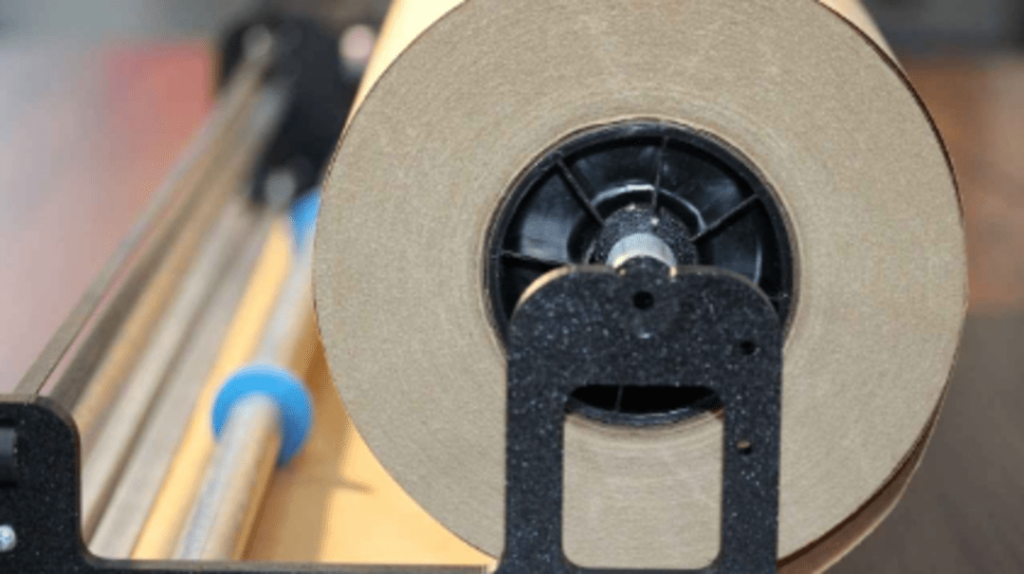
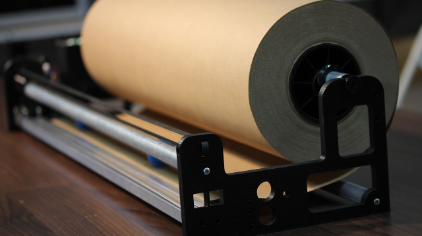
A roll cutting machine is a mechanical device designed to cut large rolls of material into smaller, precise widths and lengths. These machines are essential in industries where rolls of materials like fabric, plastic, paper, or even metal need to be processed efficiently. Roll cutting machines offer precision cutting, reducing waste and ensuring that products are consistently sized according to specific requirements.
Key Features to Consider
When choosing a roll cutting machine, several important features should be evaluated to ensure it meets the specific needs of your business.
Cutting Precision
Accurate cutting is essential in industries such as textiles and packaging, where even minor deviations can result in significant material waste. Precision cutting machines ensure that every cut is exact, minimizing discrepancies and maximizing yield. When selecting equipment, prioritize machines with high precision tolerances to ensure consistent performance. This focus on precision not only reduces waste but also enhances the overall quality of the finished products. Ultimately, investing in cutting precision can lead to cost savings and improved operational efficiency.
Speed and Efficiency
In large-scale production environments, the speed of cutting machines is a critical factor that directly impacts overall productivity. Machines that operate at high cutting speeds per minute can significantly enhance throughput, allowing businesses to meet demanding production schedules. Speed is particularly important in industries where time-sensitive deliveries are the norm, making it essential to choose equipment that balances speed with precision. Additionally, efficient machines can reduce operational bottlenecks, enabling smoother workflows. Investing in fast and efficient cutting technology can provide a competitive edge in a fast-paced market.
Material Compatibility
Different cutting machines are designed to work with specific materials, ranging from paper and plastic to rubber, metal, and textiles. Understanding the compatibility of a machine with the materials you plan to cut is crucial for ensuring optimal performance and quality. Using a machine that is not suited for a particular material can lead to poor cutting results and increased wear and tear on the equipment. Therefore, it’s essential to assess your material needs before making a purchase. Selecting the right machine for your materials can lead to enhanced efficiency and better product outcomes.
Automation Level
The level of automation in cutting machines can greatly influence operational efficiency and labor costs. Fully automated machines are ideal for high-production facilities, as they minimize the need for manual intervention and streamline workflows. On the other hand, smaller businesses may find that semi-automatic machines offer the right balance of functionality and affordability. Understanding your production scale and labor requirements will guide your choice in automation. Choosing the appropriate level of automation can lead to improved productivity and resource allocation.
Durability and Build Quality
Investing in cutting machines made from high-quality materials such as steel and aluminum ensures long-term durability and reliability. Machines built with robust components are designed to withstand rigorous workloads and extended use, reducing the likelihood of breakdowns. A durable machine not only lowers maintenance costs but also contributes to a stable production environment. When evaluating machines, it’s important to consider their build quality and expected lifespan. By prioritizing durability, businesses can achieve consistent performance and a better return on investment over time.
Benefits of Roll-Cutting Machines
Increased Efficiency
Roll cutting machines significantly enhance efficiency by automating and streamlining the cutting process. This automation allows for faster production times, enabling businesses to meet high-demand schedules without sacrificing quality. By reducing reliance on manual labor, these machines also decrease the likelihood of human error, resulting in a more consistent output. As a result, companies can increase their production capacity while maintaining a steady workflow. Ultimately, the efficiency gained from roll cutting machines can lead to quicker turnaround times and improved customer satisfaction.
Improved Accuracy
Roll cutting machines are engineered for high precision, ensuring that each cut is uniform in size. This level of accuracy is crucial for quality control, particularly in industries where exact dimensions are vital for product functionality. Consistency in cut sizes minimizes variances that can affect the final product, reducing the risk of defects. With improved accuracy, companies can enhance their reputation for quality and reliability. The precision offered by these machines can also simplify the assembly process, leading to better overall product integration.
Cost-Effective
Investing in roll cutting machines can yield significant cost savings over time by minimizing material waste and maximizing production speeds. By cutting materials more efficiently, these machines reduce leftover scraps, allowing for better resource utilization. Faster production times contribute to lower labor costs and increased output, improving the bottom line. As businesses experience enhanced efficiency and reduced waste, they can allocate resources to other critical areas. Over time, these cost savings can significantly impact overall profitability.
Versatility
One of the standout features of roll cutting machines is their versatility in handling a wide range of materials. From textiles and plastics to metals and rubber, these machines are adaptable to various industrial needs. This capability allows businesses to diversify their product offerings and enter new markets without the need for additional machinery. The ability to work with different materials also makes roll cutting machines a valuable asset for companies aiming to stay competitive. Ultimately, their versatility enhances operational flexibility and responsiveness to market demands.
Labor Reduction
The introduction of automatic and semi-automatic roll cutting machines can lead to a significant reduction in labor requirements. By minimizing the need for constant operator supervision, these machines free up personnel to focus on other essential tasks within the production process. This reallocation of labor resources can enhance overall productivity and improve workplace efficiency. Furthermore, with fewer operators needed for cutting tasks, companies can reduce labor costs and mitigate the risks associated with employee turnover. Embracing automation can lead to a more streamlined operation and better use of human resources.
Maintenance Tips for Roll-Cutting Machines
To ensure long-term performance and minimize downtime, it’s essential to properly maintain your roll cutting machine. Here are some key maintenance tips.
Regular Cleaning
Regular cleaning is essential for maintaining the performance of cutting machines, as dust and material debris can accumulate on rollers and cutting blades. This buildup can lead to jams, misalignment, and decreased efficiency during operation. Establishing a routine cleaning schedule helps prevent these issues and prolongs the machine’s lifespan. Additionally, a clean machine contributes to safer working conditions by reducing the risk of accidents related to debris buildup. Overall, consistent cleaning ensures smooth operation and reliable output.
Blade Sharpening/Replacement
For machines that utilize blades in their cutting mechanisms, keeping them sharp is critical for maintaining cutting precision. Dull blades can compromise the quality of cuts, leading to inconsistencies that affect the final product. Regularly checking the condition of the blades and sharpening or replacing them as needed ensures that the machine operates at its best. Implementing a blade maintenance schedule can help avoid production delays caused by poor cutting performance. Ultimately, investing in blade upkeep enhances overall efficiency and quality.
Lubrication
Lubrication is a vital maintenance task that helps ensure the smooth operation of a cutting machine’s moving parts. Following the manufacturer’s guidelines for lubrication intervals and types of lubricants can significantly reduce wear and tear on components. Proper lubrication minimizes friction, which not only enhances performance but also extends the life of the machine. Neglecting this aspect of maintenance can lead to increased downtime and costly repairs. By prioritizing lubrication, businesses can maintain consistent productivity and reliability.
Inspection
Conducting regular inspections of cutting machines is crucial for identifying worn or damaged parts before they lead to operational failures. These inspections should include checking for signs of wear on critical components, as well as assessing overall machine condition. Early detection of issues allows for timely replacements, minimizing downtime and maintaining production efficiency. Establishing a systematic inspection routine helps ensure that the machine operates at optimal performance levels. Proactive maintenance through inspections ultimately supports long-term reliability and reduces unexpected costs.
Software Updates
For automatic cutting machines, keeping the control software up to date is essential for optimal performance. Software updates often include enhancements that improve functionality, increase efficiency, and provide access to the latest features. Staying current with software versions can also help resolve potential security vulnerabilities. Regularly updating the software ensures that the machine operates smoothly and benefits from the latest advancements in technology. By prioritizing software maintenance, businesses can maximize the investment in their cutting equipment and maintain a competitive edge.
FAQs
What materials can be cut with a roll cutting machine?
Roll cutting machines are capable of cutting a wide range of materials, including fabric, plastic, paper, rubber, and metal. The type of machine you need will depend on the material you’re working with.
How do I choose the right roll cutting machine for my business?
To select the right machine, consider the volume of material you need to cut, the type of material, and whether you need a manual, semi-automatic, or fully automatic machine. Also, evaluate your budget and production speed requirements.
Are roll-cutting machines safe to use?
Most modern roll cutting machines come with safety features such as emergency stop buttons, guards, and automated sensors to prevent accidents. However, proper training is still essential for operators.
How long does a roll-cutting machine last?
With proper maintenance, a high-quality roll cutting machine can last for 10-20 years. Regular maintenance and timely repairs can extend its lifespan.
Can a roll-cutting machine be customized?
Yes, many manufacturers offer customization options to tailor the machine to your specific production needs. These customizations can include size adjustments, additional safety features, or specialized cutting mechanisms.
Conclusion
A roll cutting machine is an invaluable tool in many industrial applications, offering precision, speed, and efficiency. Whether you’re working with fabric, paper, plastic, or metal, investing in the right roll cutter can streamline your production process, reduce waste, and improve overall output. By understanding the different types of machines, their benefits, and the key features to look for, you can make an informed decision that best suits your business needs.